History · Lineage · Rationale · Responsibility
Understanding the Veteran Rites model.
Veteran Rites brings preparation, wilderness ceremony, and continuing community together. The work begins in lived Veteran experience and supports a return into relationships, responsibility, and everyday life.
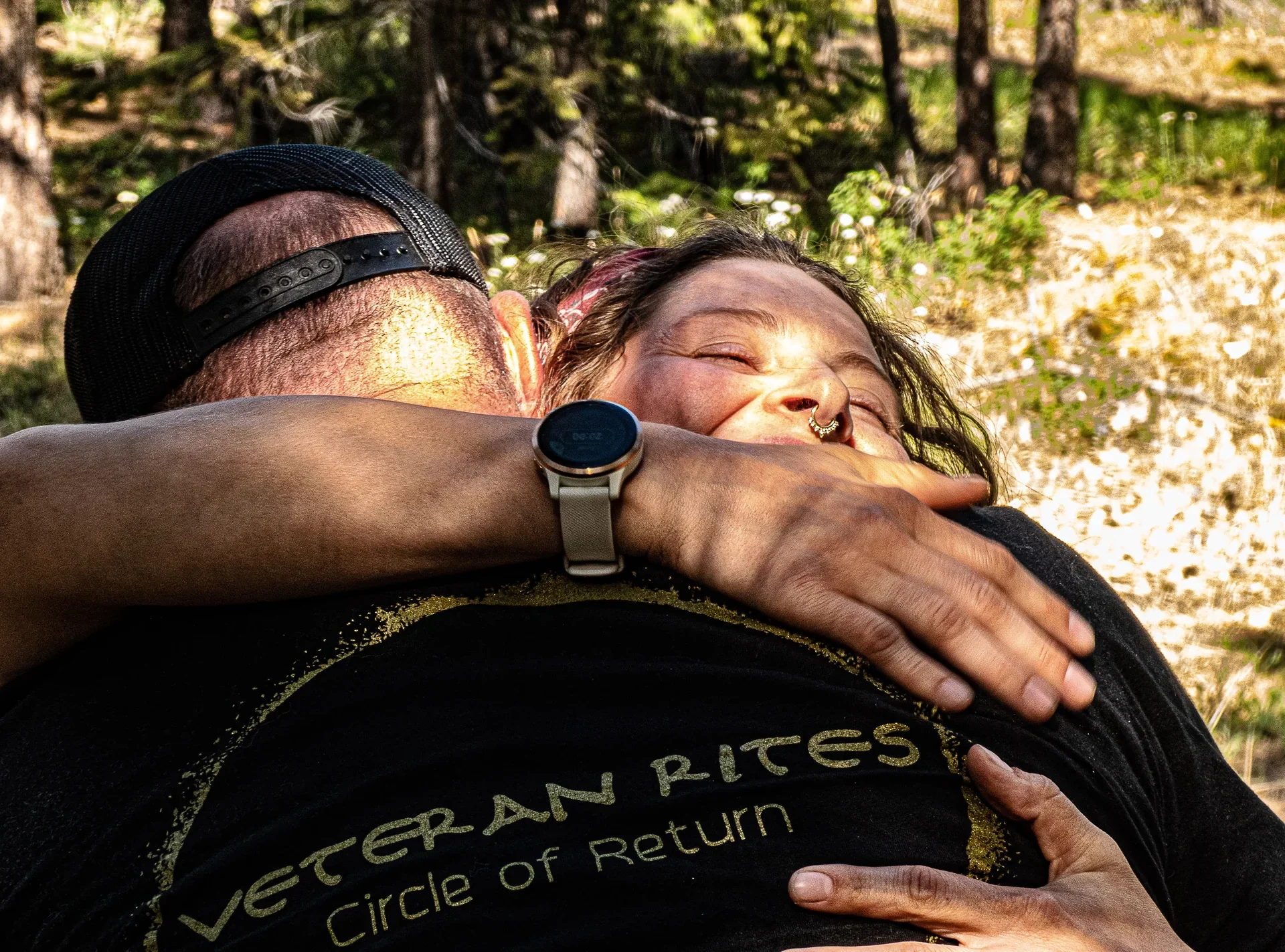
Photograph: Matt Johnston (opens in a new tab) · 2026
Why this work exists
Leaving service may end a chapter. It does not complete the return.
Veterans remain the ceremonial root and center of this work. Veteran Rites exists because crossing out of military service without a meaningful passage home can leave identity, purpose, grief, belonging, and responsibility suspended between worlds.
Veteran rooted
The model begins with lived Veteran experience. It does not reduce a person to diagnosis, trauma, rank, or service record. It makes room for what service gave, what it took, what no longer serves, and what remains worth carrying.
Community anchored
The goal is not to keep people inside Veteran Rites. We help create a bridge back into family, friendship, neighborhood, work, service, and the wider communities where an Initiate’s life belongs.
Personal sovereignty · Held in relationship
Your life is yours to inhabit, choose, voice, and answer for.
Military service can require obedience, role clarity, collective identity, and the temporary surrender of personal preference to mission. Return asks a different capacity: learning to hear one’s own voice again and choosing how to live without abandoning responsibility to other people.
Voice
The freedom to speak from lived experience, name what is true, ask for what is needed, and refuse language which does not belong to you.
Choice and consent
The right to make informed decisions about participation, disclosure, ceremony, health, boundaries, meaning, and the pace of one’s own return.
Authorship
An Initiate shapes their own ceremony and owns the meaning of their experience. A Guide may witness, question, and mirror. A Guide does not take possession of the story.
Boundaries
Personal sovereignty includes a clear yes, a clear no, the right to pause, the right to ask for support, and the responsibility to respect the sovereignty of others.
Responsibility
Your choices affect other people. Taking responsibility means keeping commitments, respecting boundaries, and making repair where it is yours to make.
Interdependence
You can receive care, ask for support, and belong deeply while keeping your own voice. Agency and community strengthen one another.
The ceremonial architecture
Preparation. Severance. Threshold. Incorporation.
These four movements form one Arc. The crossing is demanding and carries real risk. Guides uphold the ceremony, plan carefully, and act when safety requires it. The Initiate owns the experience and its meaning; no particular outcome is promised.
01
Preparation
Roots of Resilience, readiness, relationship, safety, body, health, accessibility, gear, travel, intention, and clear consent.
02
Severance
A deliberate movement away from ordinary roles, routines, expectations, and the identities which can no longer carry the whole person.
03
Threshold
Fasting, aloneness, land, attention, and a self shaped ceremony mark the threshold. Guides uphold the agreed ceremony and safety plan; the meaning remains with the Initiate.
04
Incorporation
The returned story is received with care. Incorporation continues through rest, relationships, choices, commitments, boundaries, love, and repair in ordinary life.
Lineage and evolution
We name where the work comes from.
Veteran Rites draws from the modern wilderness rites lineage carried by Steven Foster and Meredith Little, whose work centered severance, threshold, incorporation, land, fasting, solitude, witness, and community return. The model also grew from Mark Oravsky’s lived return and from the Veterans, elders, Guides, families, and communities who challenged, protected, and carried the vision into form.
Lineage, not imitation
Sources are credited. Practices are adapted with care. Veteran Rites does not borrow cultural identity, ceremony, or sacred authority which is not ours to claim.
Entrusted Guideship
Authority is responsibility, never human superiority. Guides are accountable to Initiates, land, ceremony, community, safety, and the people who carried the work before them.
A living model
The core remains steady while language, safety practice, evaluation, access, and organizational stewardship continue to mature.
Ceremonial, not clinical
Different forms of care can stand beside one another.
Veteran Rites does not replace licensed treatment, medication, crisis response, or emergency care. It works through relationship with land, body, ceremony, Council, community, spirit, and Great Mystery. People bring their own beliefs, questions, and language. No religious belief or shared spiritual language is required.
Public resources offer films and practical context. The team discusses preparation, health, access, and ceremony directly with prospective participants.